Knowledge Narrative

Expert Insights into Acoustic Equilibrium.

Understanding hearing health requires a shift from reactive measures to proactive lifestyle harmony. We explore the factors affecting hearing through the lens of modern environmental stressors and natural nutritional support.

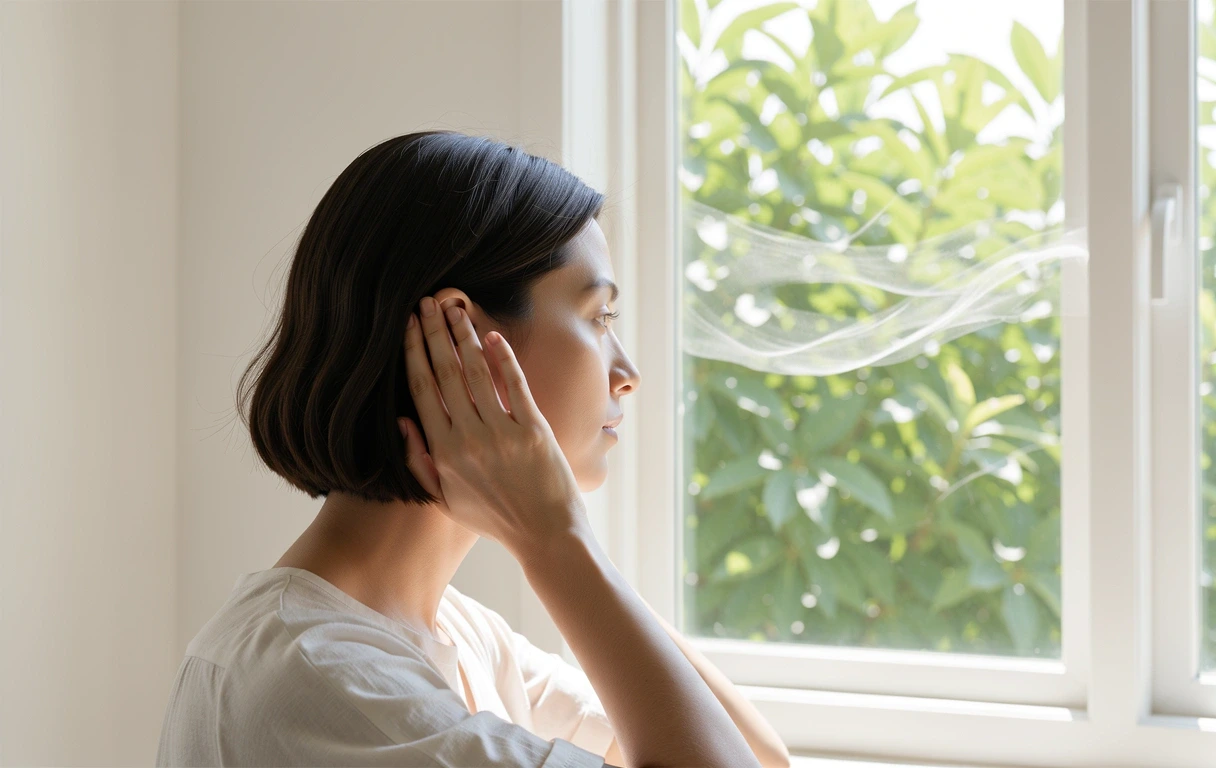
Person practicing mindful listening in a serene environment.

Hearing in the context of modern lifestyles

Our world has never been louder. From the hum of transit to the constant bleed of digital audio, our auditory system is under persistent pressure.

Volume 01: Environment

The impact of noise on hearing

Environmental noise isn't just a nuisance; it is a physiological weight. Constant exposure to moderate-high decibels in urban settings can fatigue the delicate sensory cells of the inner ear. Effective hearing care begins with acknowledging the "toxic" noise levels we ignore daily—like high-volume headphones or loud HVAC systems.

To maintain quality of sound perception, one must adopt "listening breaks." Just as we rest our eyes from screens, resting our ears in silence for 15 minutes every few hours allows the auditory nerves to reset.

Nutritional elements for supporting auditory nerve health.

Nutritional Foundations

The role of nutrition in hearing care

Micronutrients like Zinc, Magnesium, and Omega-3 fatty acids are fundamental to ear and hearing health. These elements support the blood flow to the cochlea, ensuring that sensory cells receive the oxygen they need to function.

Mastering Hearing Hygiene

01

Daily habits for hearing care

Hearing hygiene is more than just keeping ears clean; it is about the "acoustical diet." We recommend a practice of "focused listening"—spending five minutes a day identifying subtle sounds in nature. This exercise sharpens sound perception and reinforces the brain's ability to filter relevant audio from background clutter.

Avoid using objects to clean the ear canal. The ear is a self-cleaning mechanism; interfering with its natural migration of wax can lead to blockages that dampen sound quality.

02

Prevention of hearing discomfort

Comfortable sound perception is often lost gradually. One of the primary factors affecting hearing in social settings is the "cocktail party effect," where the brain struggles to isolate a single voice. Supporting your auditory system through proper hydration and specific vitamins can help maintain the clarity of these neural signals.

Attention to hearing health includes managing stress levels. High cortisol is linked to temporary shifts in sound sensitivity, making regular relaxation habits essential for long-term ear wellness.

03

Caring for your hearing outdoors

Hearing and the environment are inextricably linked. When in heavy wind or cold temperatures, protecting the external ear helps maintain consistent blood flow to the inner ear components. Simple habits, like wearing a light scarf in autumn, contribute significantly to hearing and quality of life by preventing temperature-induced sensitivity.

Healthy Habits for Hearing

Explore actionable steps categorized by lifestyle needs to foster long-term auditory wellness.

Leafy Greens

High in folic acid, which is essential for healthy nerve signaling within the cochlea.

Nutritional Support

Deep Silence

Dedicate 20 minutes before sleep to absolute silence to lower neural auditory fatigue from the day.

Daily Hygiene

Omega-3 Intake

Supports vascular health, ensuring a steady supply of blood to the ears' delicate vessels.

Nutritional Support
Peaceful lifestyle environment supporting hearing health.

The OidoBienestar Philosophy

We believe that hearing is the bridge between our inner self and the external world. By focusing on factors affecting sound quality—like oxidative stress reduction and acoustic environmental control—we help individuals maintain a vibrant connection to their surroundings.

Holistic Integration

Lifestyle and hearing are not separate entities; they are a feedback loop of wellness.

Evidence-Based Habits

Our insights are grounded in research into how natural compounds interact with auditory function.

Sound Perception in High-Definition

A deeper look at what creates clear audio experiences in everyday life.

Achieving comfortable sound perception is often a matter of managing the acoustic environment. Modern architecture, while beautiful, frequently utilizes hard surfaces—glass, steel, and concrete—that cause sound to bounce erratically. This creates "auditory smear," where the brain has to work harder to decode speech.

By adding soft textures to your primary living spaces—rugs, curtains, or acoustic panels—you can significantly improve the quality of sound perception. This simple change reduces the cognitive load on your brain, leading to less end-of-day fatigue and a more relaxed state of being.

"Hearing is a biological gift; listening is a learned skill that requires an optimized environment."

Furthermore, attention to hearing health involves a psychological component. When we are anxious, our bodies enter a state that narrows our auditory focus to immediate threats. Practicing mindful breathing while listening to complex music (like jazz or classical) can retrain the nervous system to handle a wide range of audio inputs without triggering stress.

We conclude that the most effective way to address hearing in the context of modern lifestyles is to combine these environmental adjustments with the nutritional habits discussed. This two-pronged approach ensures the physical structure of the ear is supported while the acoustic space is softened.

Curious about specific wellness routines?

Explore our curated collection of resources designed to help you integrate these habits into your daily life for lasting auditory clarity.