
The Wellness
Library
A curated repository of research focusing on how lifestyle and the environment influence sound perception. We explore the intersection of daily habits for hearing care and targeted natural nutrition.

Hearing and the Environment
Modern existence places a significant tax on our sensory clarity. The impact of noise on hearing is not merely about volume; it is about the sustained acoustic pressure found in urban landscapes. Our research indicates that maintaining a balanced auditory environment is a cornerstone of long-term sensory health.
Within this library, we categorize environmental stressors—from the hum of open-plan offices to the persistent white noise of transit—and provide actionable strategies for comfortable sound perception. By understanding these external factors affecting hearing, you can design a personal space that respects your auditory boundaries.
Explore Environmental Studies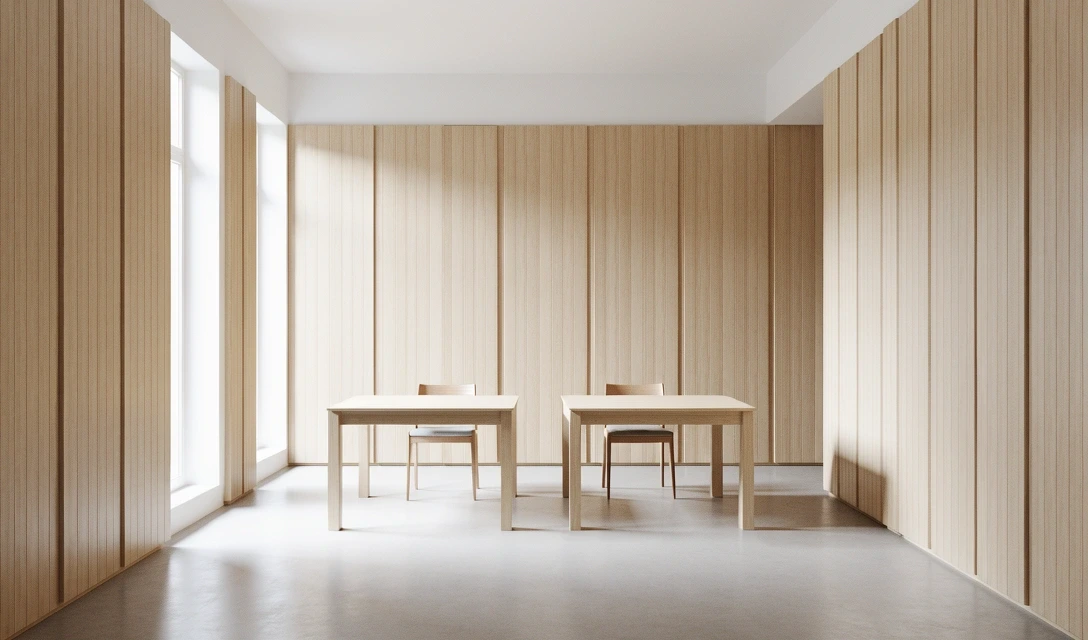
The Role of Nutrition in Hearing Care
Our biological systems require specific micronutrients to maintain the delicate structures responsible for sound translation. We have isolated four core nutritional pathways supported by current wellness research.
Antioxidant Support
Focusing on vitamins C and E to assist with cellular integrity within the inner ear during high-noise exposure.
Chapter 01Magnesium Intake
Research suggests magnesium acts as a protective barrier against oxidative stress caused by loud environments.
Chapter 02Omega-3 Fatty Acids
Essential for maintaining healthy circulation, which is required for efficient auditory nerve function.
Chapter 03Zinc & Folate
Supporting the natural renewal processes of the sensory hair cells through targeted legume and grain intake.
Chapter 04Daily Habits for
Hearing Care
Small, consistent shifts in your routine can yield significant compounded benefits for your auditory longevity.
OidoBienestar Guidelines 2026
Sound Fasting
Incorporating 15 minutes of silence twice daily allows the auditory system to reset. This practice enhances sound perception by reducing sensory fatigue.
The 60/60 Rule
When using headphones in the context of modern lifestyles, maintain volume at 60% for a maximum of 60 minutes. This is a primary pillar of hearing hygiene.
Hygiene Without Interference
Caring for your hearing involves avoiding invasive cleaning methods. The ear is self-regulating; external moisture management is usually sufficient for ear and hearing health.
"Hearing health is often neglected until it begins to fade. True attention to hearing health begins with preventative awareness before any discomfort arises."

Research-Led Clarity
Our wellness library is updated monthly with insights from the global scientific community. We prioritize data regarding healthy habits for hearing that can be implemented today, without the need for complex interventions.
Browse the Archives
Filter resources by your specific lifestyle factors.


Quality of Sound Perception & Diet
A detailed analysis of how glycemic control influences the stability of delicate inner-ear structures over decades.
Read Full ResearchPrevention of Hearing Discomfort
Practical guides on using acoustic barriers and white-noise shielding to preserve sensory energy in dense metropolitan areas.
Read Full ResearchConnect with
OidoBienestar
Barcelona Office
Carrer de la Marina 25, 08005 Barcelona, Spain
Direct Inquiries
+34 932 381 740
Email Library Desk
Hearing and Quality of Life
We believe that sensory wellness is a social responsibility. By sharing these findings, we aim to transform the way our community views lifestyle and hearing. Our physical library in Barcelona is open to visitors by appointment during working hours.